Almost half of all drivers express their anger by honking or yelling

one in twenty admitted to having tried to run another driver off the road
Continue reading

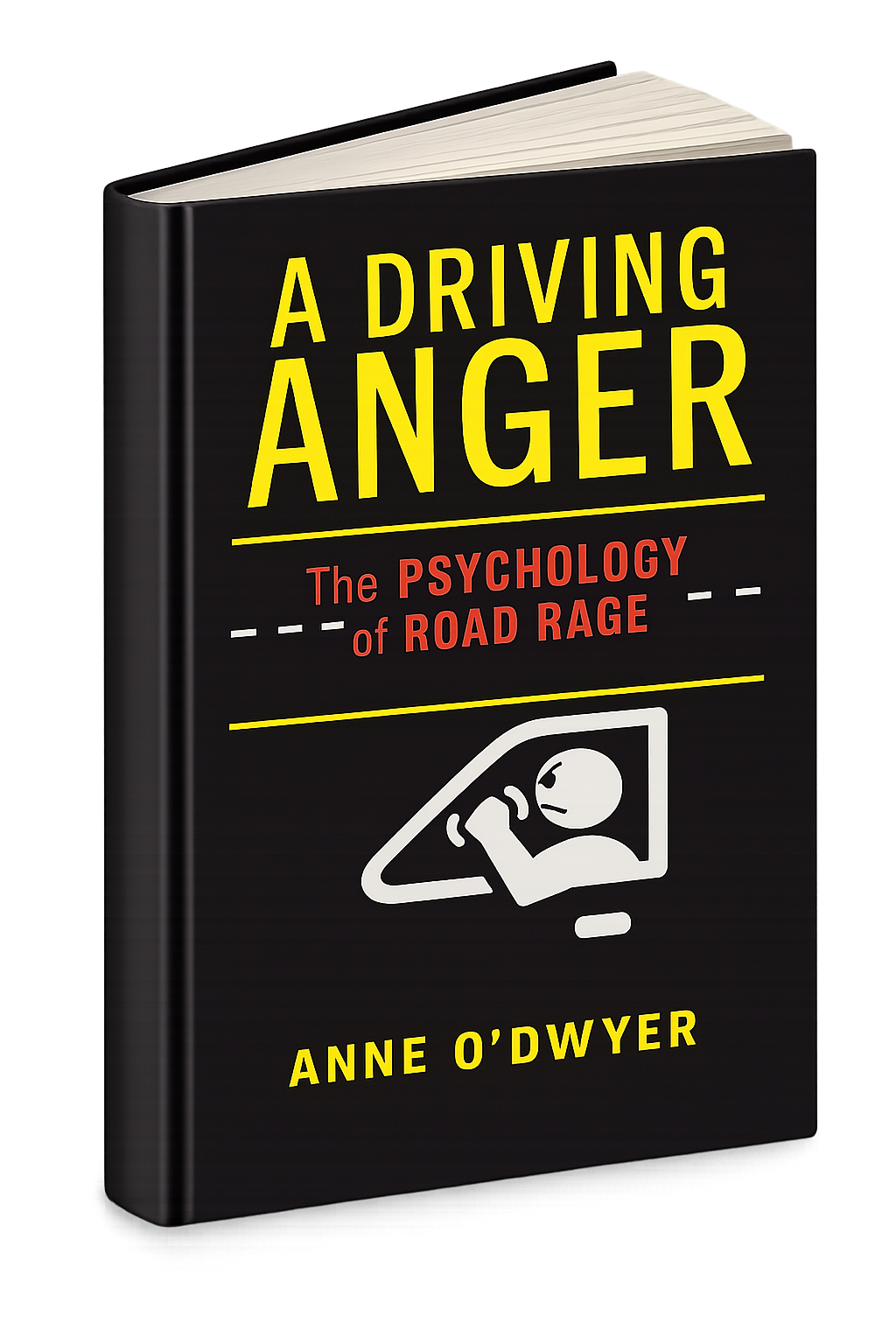
A Driving Anger is for those curious about what it is about driving that causes so many people to get so extremely angry—so filled with rage—so often. 

Why is it that, when we are on the road, we experience such A Driving Anger?

  • "We have all felt rage and all been the target of rage. Anne breaks down the why behind this feeling and gives us strategies to process before the rage takes over our better nature. This book isn't just about road rage, it's about understanding ourselves, each other, and reaching that elusive calm."

    —Dr. Eden-Reneé Hayes, Social Psychologist & CEO, Pluralism Solutions

  • "In A Driving Anger, Anne teaches drivers lessons behind their anger while driving and provides tools to prevent road rage by using relatable stories and a captivating analysis of the role social psychology plays in road rage and its prevention. A must-read!"

    -Jeanine Skorkino, PhD, Professor of Psychology, Worcester Polytechnic Institute

  • "Anne's book uncovers the psychology of what causes drivers' road rage, which can often lead to clouded judgment and unsafe roadways. Anne thoughtfully explores 'off-ramps' from road rage what WE can do to prevent accidents, acknowledge our biases, and create safer roadways for all. A must-read for anyone interested in developing a more comprehensive perspective of roadway safety, going beyond the built environment characteristics and into the mind behind the wheel."

    —Tate Coleman, MRP, MSCE, Senior Transit Planner at South County Connector

the author, Dr. Anne O’Dwyer explores psychology of road rage in her most recent publication, A Driving Anger.

Do you find your own anger getting out of control while driving?

Are you worried about the anger and aggression of a family member or friend when they're driving?

Do you have a teenager or young adult who is just starting to drive?

Do you wonder what to do when you encounter an angry driver on the road?

Do you want to learn more?

Why anger while driving can so readily escalate into rage.

How to assess your own tendency to anger-while-driving.

What to do if another driver becomes enraged.

De-escalate road-rage as a passenger.

What driving anger reveals about other “stranger rages”.

Get your own copy

Thanks for being interested in my book, A Driving Anger. This book is the culmination of many, many years of reading, researching, and conversations I’ve had over the years with hundreds (probably closer to thousands) of people about their experiences with road rage.

See my Book page for details on this project and my research.

Simon’s Rock at Bard College

I’ve been teaching psychology at Simon’s Rock at Bard College in western Massachusetts and upstate New York for over 25 years.

The courses I teach also span a wide range of subjects in psychology. I have taught Introduction to Psychology every semester for over 25 years (more than 50 times!), and I still find it one of my favorite classes! I love introducing students to psychology and sharing with them some of the best (and sadly, worst) moments in the field’s history. Please see my Teaching page for more information on the span of courses I teach at Simon’s Rock and elsewhere.

While teaching, advising, and mentoring have been my primary foci these past many years, I continue to find time to read about my two main areas of interest: interpersonal conflict and the nature of the self. Also, road rage—A Driving Anger—is connected to these interests, as conflicts between drivers are somewhat unusual instances of interpersonal conflict (how often are we confronted with our interdependence with total strangers?). And how we perceive other drivers and feel when enraged on the road are connected, I believe, with how we see ourselves.

Simon’s Rock Faculty Profile

Rage at real injustices and malicious and oppressive actions is understandable and appropriate. In contrast, harming or threatening to harm another person because they erred while driving—or even carelessly and thoughtlessly broke a driving rule—is not a reasonable or appropriate response.